






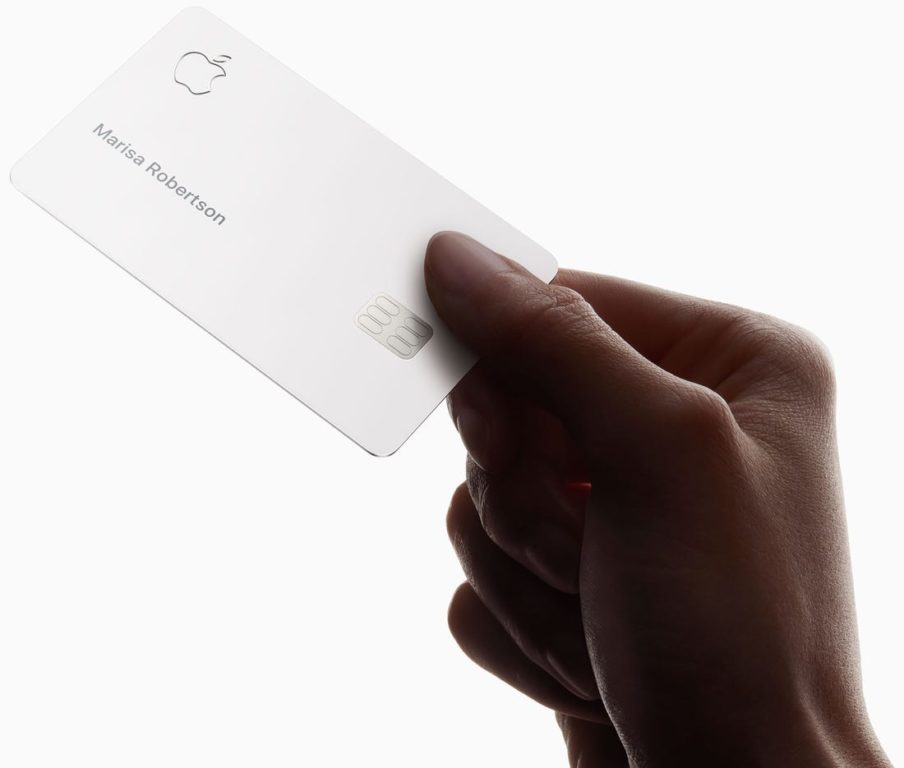
Apple is changing the bank behind its credit card. JPMorgan Chase will become the new issuer of the Apple Card, replacing Goldman Sachs, which has served as Apple’s banking partner since the product launched in 2019. Under the latest deal, JPMorgan will take over more than $20 billion in outstanding Apple Card balances, with the transition expected to take place gradually over the next couple of years, pending regulatory approval. The development comes as Goldman Sachs is reportedly looking to exit the consumer credit business amid rising losses.
Notably, the Apple Card launched as a major partnership between Apple and Goldman Sachs, designed to modernize the credit card experience for smartphone users. Built directly into the Apple Wallet app, the card claims to differentiate itself through clearer billing, real-time spending insights, and a simplified fee structure that removes annual fees, late fees, and foreign transaction charges. According to the iPhone maker, cardholders can earn Daily Cash rewards of up to 3% on purchases made with Apple and select partners, with lower rewards on other transactions, and the cash back is deposited directly into their Apple Cash balance.
But at the same time, while the product attracted millions of users and helped Apple expand its services ecosystem, it proved far more challenging for Goldman Sachs. Unlike traditional co-branded credit cards run by large consumer banks, the Apple Card required Goldman to build customer service, dispute resolution, and regulatory compliance systems largely from scratch. On top of that, many Apple Card users have low credit scores (reportedly, around 34% have a credit score below 660), which increases the risk for the issuing bank.
Over time, Goldman Sachs faced higher-than-expected credit losses and operational costs tied to the portfolio, contributing to mounting pressure on its consumer banking strategy. Even the bank has set aside about $2.45 billion in reserves to cover potential credit losses from the card’s loan portfolio. In parallel, Apple Card delinquency rates (commonly defined as late or missed payments) have risen to around 4%, higher than the broader industry average of around 3%.
The Cupertino-headquartered tech giant began searching for a new financial partner in 2024 after Goldman Sachs decided to step back from the Apple Card. Although several major banks, including American Express, Synchrony, and Barclays, were considered, none reportedly moved forward. In April 2025, reports emerged that Visa had offered Apple an upfront payment of $100 million to take over its card business.
But now, JPMorgan Chase is stepping in, bringing a very different approach to the Apple Card partnership. The bank already runs one of the largest and most profitable credit card businesses in the US, with extensive experience managing large consumer loan portfolios. Under the agreement, JPMorgan is expected to set aside about $2.2 billion in provisions to cover potential credit losses from the Apple Card balances it will take on.