






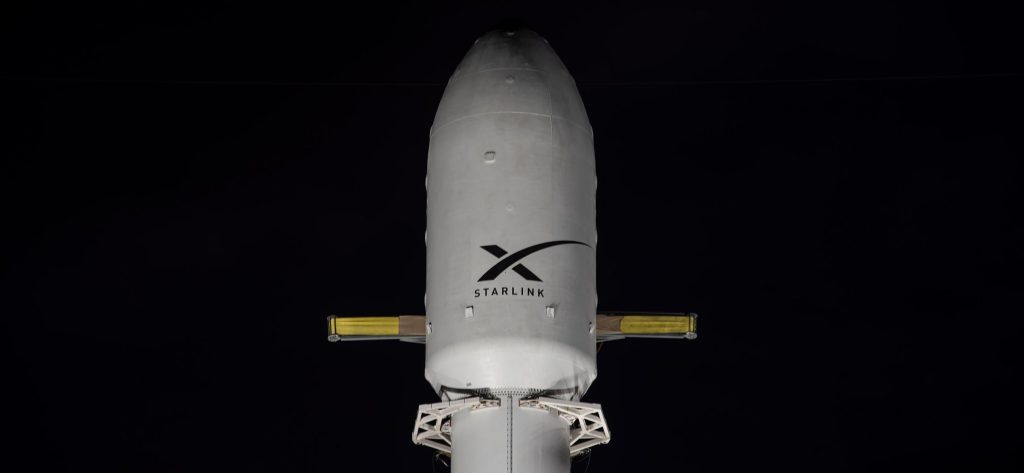
The Federal Communications Commission has approved SpaceX to launch an additional 7,500 Gen2 Starlink satellites, expanding its second-generation constellation to about 15,000 satellites. This comes despite growing concerns about space debris & collision, and risks of Starlink satellites repeatedly interfering with ground based and space-based telescopes
The new Gen2 satellites are designed to carry more data, operate across multiple frequency bands, and orbit closer to Earth, reducing latency and improving connectivity for users in remote and underserved areas. With around 9,400 satellites already in orbit, this expansion further solidifies the Elon Musk-led firm’s position as the world’s largest satellite broadband network.
The second-generation Starlink satellites are a significant upgrade over the first-generation fleet. They can operate across multiple frequency bands, including Ku, Ka, V, E, and W bands, which allows for higher throughput and more flexible coverage. The ability to fly at lower altitudes, between around 340 kilometers and 485 kilometers, also reduces signal latency, improving internet speeds for customers. These technical improvements aim to make Starlink more competitive with terrestrial broadband services, particularly in regions where laying fiber and cable is impractical.
Meanwhile, the FCC has set clear deployment milestones for the new satellites. SpaceX is required to launch at least half of the newly approved 7,500 satellites by December 2028 and complete the full deployment by December 2031. The initial batch of 7,500 first-generation satellites is expected to be fully deployed by late November 2027. These deadlines are designed to ensure steady progress while giving regulators a chance to monitor the network’s performance, safety, and orbital management.
Safety and orbital sustainability are key considerations as SpaceX scales up its constellation. The company has announced plans to adjust the orbits of thousands of existing satellites, lowering around 4,400 from about 550 kilometers to around 480 kilometers. This step reduces the risk of collisions and accelerates the natural decay of decommissioned satellites.
It is also important to note that, while the FCC approved the expansion to 15,000 Gen2 satellites, it withheld authorization for the remaining about 15,000 satellites SpaceX had proposed, citing the need for more on-orbit testing and operational experience. But with the help of the latest approval, SpaceX still has a chance to strengthen its lead over competitors like OneWeb, Viasat, and Amazon’s Project Kuiper.
The timing of the approval becomes critical as SpaceX recently confirmed the loss of contact with a Starlink satellite due to an orbital glitch. This follows past challenges, including last year’s Falcon 9 anomaly that left 20 satellites in the wrong orbit and a software error in July 2025 that caused a two-hour Starlink outage affecting millions of users worldwide.