






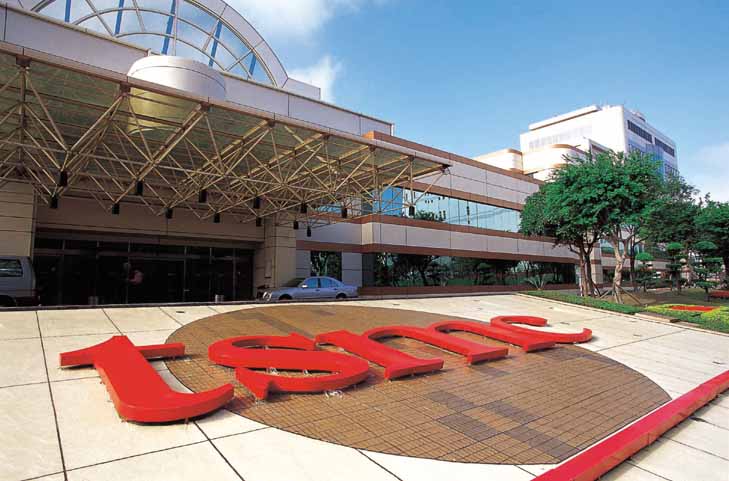
TSMC ended 2025 with a strong quarter, once again showing how the AI goldrush is translating to exponential growth for chip companies globally. The world’s largest contract chipmaker reported that its Q4’25 revenue climbed more than 20% from a year earlier. Revenue for the October-to-December period totalled NT$1.046 trillion (~ $33.1 billion), as estimated by Reuters. The results came in above market expectations and were supported mainly by strong demand for chips used in artificial intelligence and high-performance computing. Notably, in the fourth quarter of 2024, the firm reported revenue of NT$868.46 billion (~ $27 billion).
The strong fourth quarter followed steady growth earlier in the year. In the third quarter of 2025, TSMC posted revenue of about NT$990 billion (~ $32 billion), representing more than 30% growth compared with the same period a year earlier and an increase of around 6% from the previous quarter. Meanwhile, the company informed that it will release its full fourth-quarter earnings report, including profit figures and future outlook, on January 15.
The better-than-expected performance highlights TSMC’s central role in the global technology supply chain at a time when spending on AI infrastructure continues to accelerate. Companies building data centers, AI servers, and advanced computing systems rely heavily on TSMC’s most sophisticated manufacturing processes, including its 3-nanometer technology, to produce chips that deliver higher performance and energy efficiency. This has allowed the company to capture a growing share of high-value orders, even as demand for chips used in smartphones, PCs, and other consumer electronics remains comparatively weak.
Most importantly, TSMC’s scale and long-term partnerships with major customers like Nvidia, Apple, AMD, and Broadcom have ensured strong demand for its most advanced production lines. According to industry estimates, TSMC controls about 70% of the global contract chip manufacturing market, while its competitors hold much smaller shares.
However, TSMC faces potential challenges from rising competition, especially from Samsung, Intel, and China’s SMIC. Samsung is investing heavily in its 3 nm and 2 nm production capacity, while Intel is expanding its chip-making services with government support, though both still struggle to match TSMC’s scale. At the same time, China’s domestic policies aim to boost local semiconductor production, putting pressure on foreign foundries to innovate faster.