






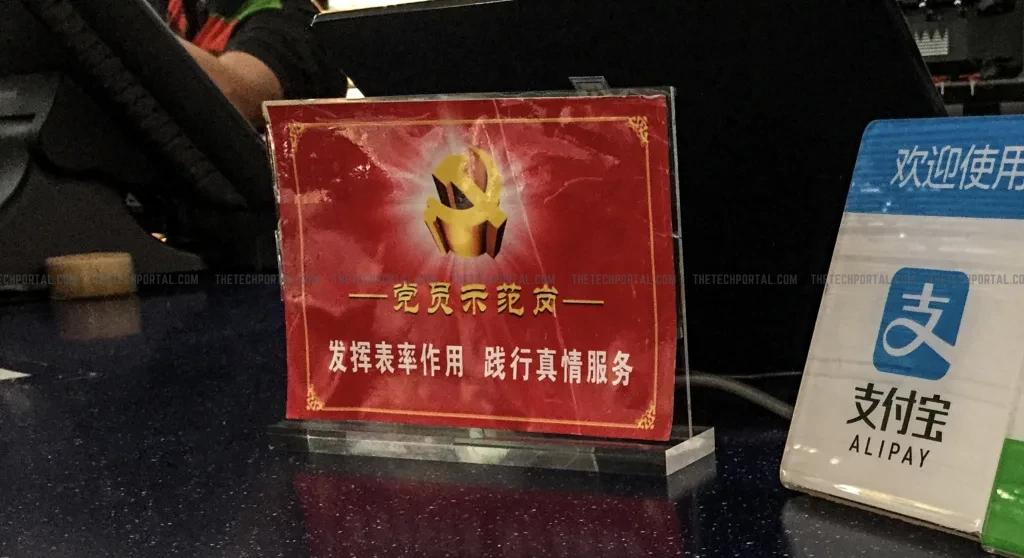
In a surprising development for the global fintech ecosystem, India’s government and central bank are said to be in early-stage talks with Ant International to explore integrating Alipay+ with the country’s instant payments infrastructure. The discussions are believed to focus on linking Alipay+ with UPI, India’s real-time payment system, which could eventually allow Indian users to make digital payments at overseas merchants using their existing UPI apps, reports Reuters. But the talks are still at a preliminary stage, and no formal decision has been made yet.
The news adds to a slew of announcements from both India and China, post the leaders of the two nations recently met in China, indicating progress between relations among two of the world’s largest economies.
According to the Reuters report, regulatory considerations are a key part of the ongoing discussions. The Reserve Bank of India has traditionally taken a cautious approach to cross-border payment linkages, particularly where foreign private platforms are involved, due to concerns around data localisation, transaction security, settlement risk and compliance with the country’s financial regulations. Therefore, any potential integration would require clearly defined frameworks covering data storage, settlement processes, foreign exchange conversion and dispute resolution, along with approvals from multiple regulatory authorities.
The timing of these discussions is particularly notable. Over the past few years, India has been working on a series of bilateral and multilateral arrangements to connect UPI with instant payment systems in other countries. These efforts include live cross-border linkages and pilot projects in regions like Southeast Asia and the Middle East, as well as India’s participation in multilateral initiatives aimed at making cross-border retail payments faster, cheaper and more transparent. The objective behind these moves is clear – positioning UPI as a globally interoperable payment system rather than one confined to domestic use.
However, unlike earlier initiatives that largely involved central banks and national payment operators, the discussions with Alipay+ would represent one of the first attempts to link UPI directly with a large international commercial payments network. This makes the development more notable, given that Alipay+ is operated by Ant International, which has Chinese origins, adding an extra layer of regulatory and geopolitical sensitivity to the talks.
Since its launch in April 2016 by the National Payments Corporation of India (NPCI), UPI has grown into one of the world’s most successful real-time payment systems. In January 2026, UPI processed a record-high 21.7 billion transactions worth ₹28.33 lakh crore, reflecting strong year-on-year growth of around 28% in transaction volume and 21% in value compared with the previous year, according to the latest NPCI data. On average, the platform handled around 700 million payments per day, with the average daily transaction value exceeding ₹91,000 crore.
On the other hand, Alipay+ functions as a global payments connectivity platform rather than a standalone wallet, linking more than 40 local wallets and banking apps to a network of over 100 million merchants across 100+ countries and regions. The platform provides access to an estimated 1.8 billion consumer accounts globally. Therefore, a potential UPI integration would plug Indian users directly into this existing global merchant ecosystem, allowing UPI-based payments abroad without the need for cards and cash.